.jpg)
Preparing for Peak Season: Why Businesses Start Hiring Forklift Operators Before Holiday Demand Hits
Fall marks the unofficial starting gun for peak season. Retailers stock up, manufacturers ramp up production, and distribution centers brace for a surge in order volume that will run straight through the holidays. For warehouse and logistics operations, the businesses that come out ahead aren't the ones scrambling in November, they're the ones that started preparing in September.
One of the most overlooked pieces of that preparation? Hiring and training forklift operators before the rush begins.
Why Fall and Holiday Demand Puts Pressure on Warehousing and Distribution
Peak season doesn't arrive gradually. Order volumes can jump 30-50% or more in a matter of weeks as e-commerce shipments, seasonal inventory, and holiday restocking all converge at once. That surge puts immediate pressure on:
-
Warehousing — more pallets in, more pallets out, and less room to store them
-
Distribution — tighter turnaround times and higher throughput expectations
-
Production — manufacturers feeding retail and e-commerce pipelines need consistent material flow on the floor
Every one of these pressure points runs through material handling. And every material handling operation runs through the forklift fleet, and the people operating it.
Why Trained Forklift Operators Are Essential to Peak Season Success
It's tempting to think of forklift staffing as a numbers game: get enough bodies on the floor and throughput will follow. In practice, under-trained operators create more problems than they solve during high-volume periods.
Skilled, certified forklift operators are essential for a few key reasons:
Safety. Peak season means faster pace, more foot traffic, and tighter aisles. Untrained or rushed operators are far more likely to be involved in incidents, and a single accident can shut down a line, trigger an OSHA investigation, or injure a coworker. Proper forklift operator training isn't a compliance checkbox; it's risk management.
Efficiency. Experienced operators move product faster, with fewer damaged pallets, fewer product returns, and less downtime. In a season where every hour of throughput matters, operator skill directly affects the bottom line.
Equipment longevity. Forklifts that are driven hard by inexperienced operators wear out faster - more tire wear, more mast strain, more unplanned maintenance. That's the last thing any operation wants heading into the busiest weeks of the year.
Retention through the rush. Operators who are properly trained and confident in their equipment are less likely to burn out or walk off the job mid-season, a real risk when seasonal pressure is high and labor markets are tight.
Staffing and Equipment Readiness Go Hand in Hand
Hiring forklift operators is only half of peak season readiness. The other half is making sure the fleet itself is ready to support the increased load, and the two plans need to work together, not in isolation.
Ask these questions in September, not December:
-
Does our fleet have the capacity for peak volume? A short-term rental or additional unit may be more cost-effective than running existing equipment into the ground.
-
Is every forklift in the fleet inspected, serviced, and ready for heavier use? Preventive maintenance now avoids breakdowns during the busiest week of the year.
-
Do new operators have equipment to train on before day one of peak season? Training on the actual machines they'll run, not just in a classroom, builds real confidence and competence.
-
Is there a plan for temporary or seasonal operators? Seasonal hires still need proper certification; cutting corners here creates liability, not savings.
When staffing plans and equipment readiness are built together, businesses avoid the classic peak-season failure mode: fully staffed but under-equipped, or fully equipped but under-staffed.
How Starke Dealers Help Businesses Prepare for Busier Months
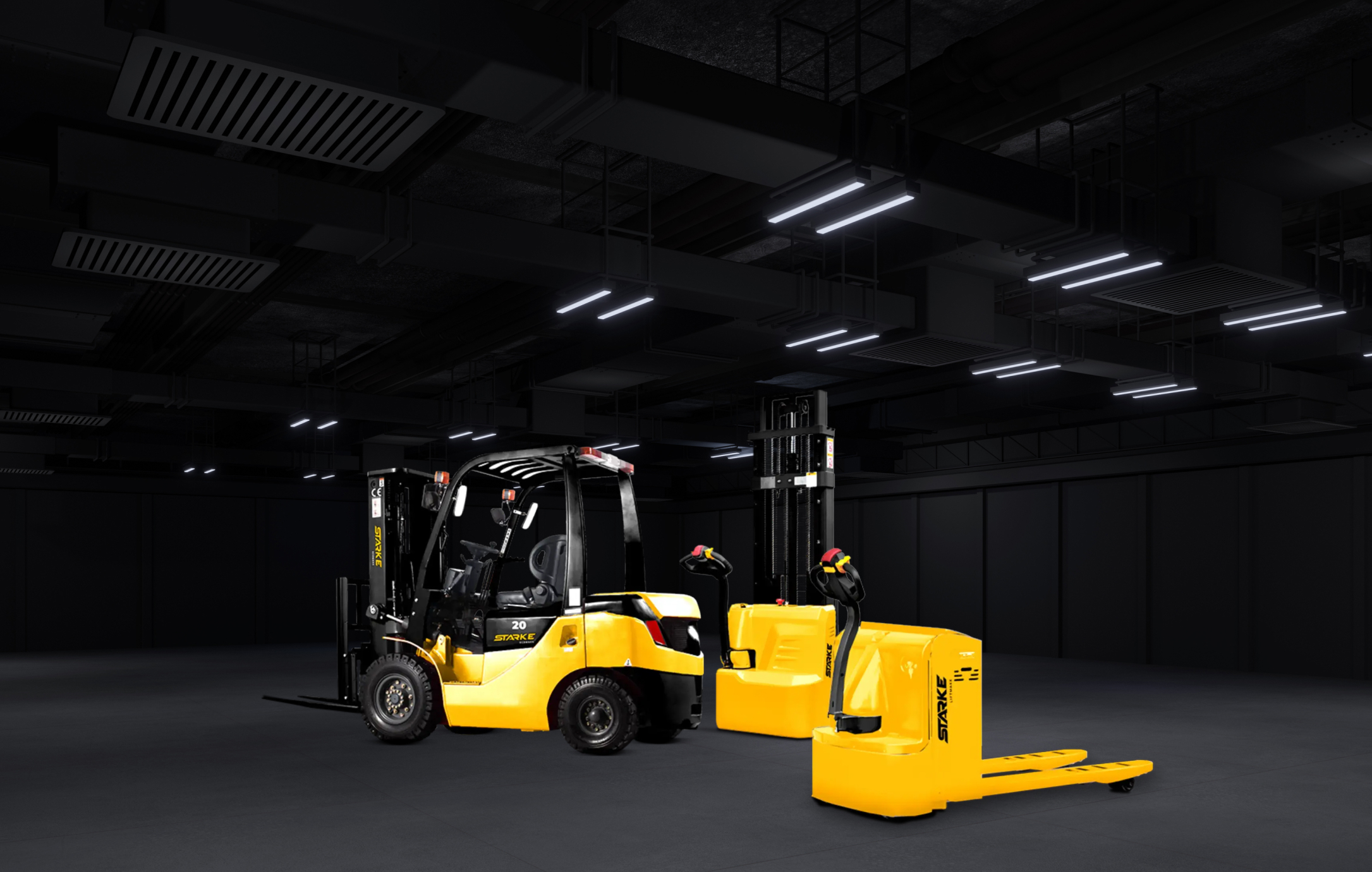
This is exactly where a strong dealer relationship pays off. Starke dealers work with businesses well before the holiday rush to make sure both sides of the equation, people and equipment, are covered:
-
Fleet assessments to identify capacity gaps before they become bottlenecks
-
Preventive maintenance programs that get existing equipment peak-season ready
-
Short-term rental and flexible equipment options to handle seasonal surges without over-investing in permanent fleet
-
Operator training support, helping new and seasonal hires get certified and comfortable on the equipment they'll actually be using
-
Priority service and parts access during the months when downtime is most costly
Businesses that partner with their Starke dealer in late summer and early fall walk into peak season with a fleet that's ready and a team that's trained, instead of finding out the hard way in October that either one was missing.
The Bottom Line
Peak season success isn't decided in November. It's decided now, while there's still time to hire, train, inspect, and plan. Businesses that treat forklift operator readiness and equipment readiness as a single strategy, not two separate problems, are the ones that move through the busiest months of the year without missing a beat.
Talk to your local Starke dealer today to start building a peak season plan that covers your fleet, your staffing, and everything in between.